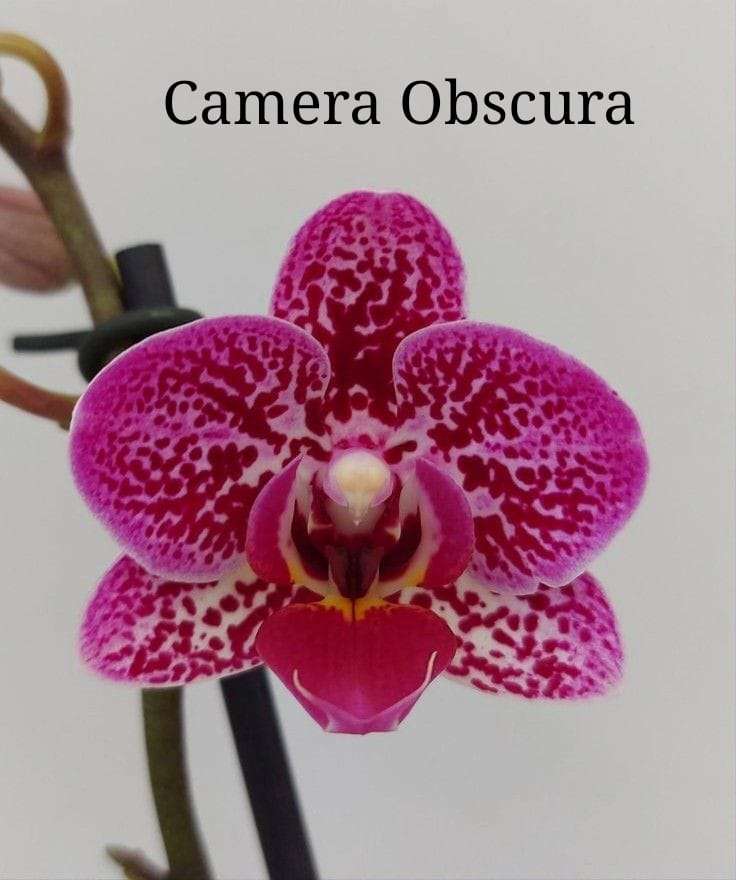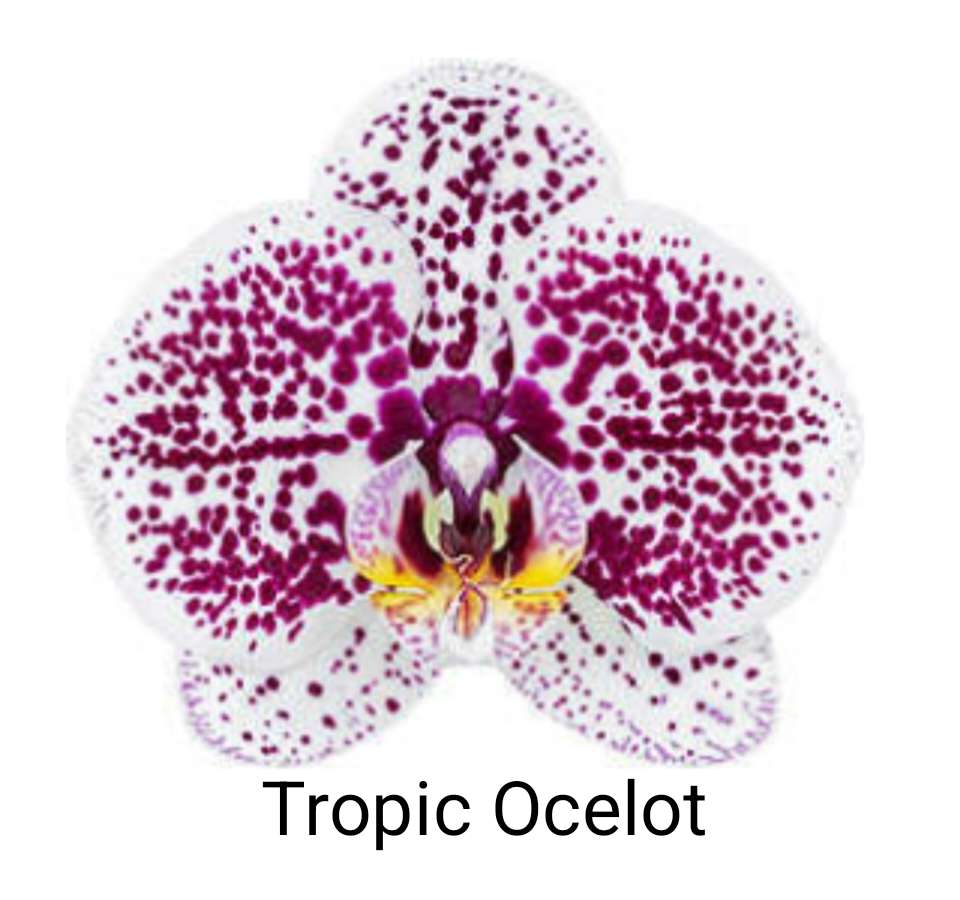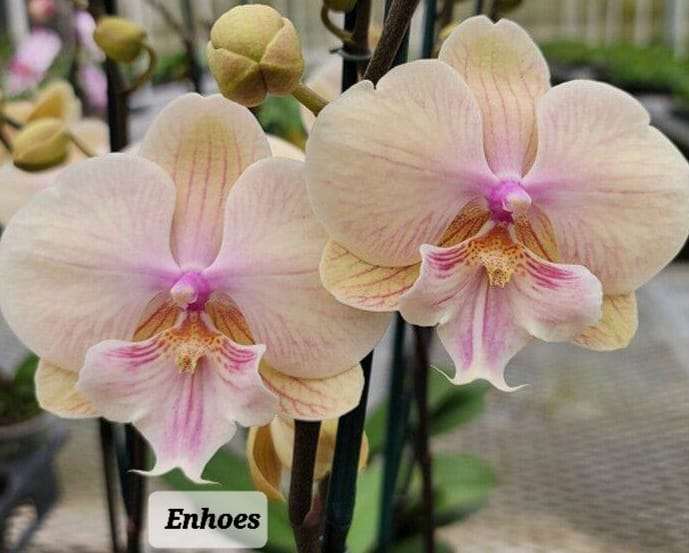
Description �� Care Guide �� Light Indirect, bright light is ideal (east or west-facing windows). Avoid direct sunlight, which can scorch the leaves. If leaves are dark green, it may need more light; medium green with slight yellow hue is perfect. ��️ Temperature Day: 70–85°F (21–29°C) Night: 60–65°F (16–18°C) Avoid sudden temperature drops and cold drafts. �� Watering Water once a week, allowing roots to dry slightly between waterings. Use room-temperature water, ideally rainwater or distilled. Avoid letting water sit in the crown of the plant (to prevent crown rot). �� Humidity Likes moderate humidity (50–70%). Use a humidity tray, group with other plants, or use a humidifier if needed. �� Potting & Medium Use a well-draining orchid mix (bark, sphagnum moss, or perlite blend). Repot every 1–2 years or when the medium breaks down. Clear pots are helpful to monitor root health and moisture. �� Fertilizing Use a balanced orchid fertilizer (20-20-20 or similar) every 2–4 weeks. Dilute to ¼–½ strength to avoid salt buildup. Reduce feeding during winter months. �� Handling Tips Be gentle with spikes: New flower spikes are delicate—support with stakes if needed. Don’t cut spikes too early: After blooming, you can cut the spike above a node to encourage a secondary bloom. Watch for pests: Mealybugs, scale, and aphids are common—treat with neem oil or insecticidal soap if necessary. Clean tools: Always sterilize scissors before cutting to prevent disease spread. Avoid overwatering: Most common killer of Phalaenopsis orchids.